














Keynote Speakers
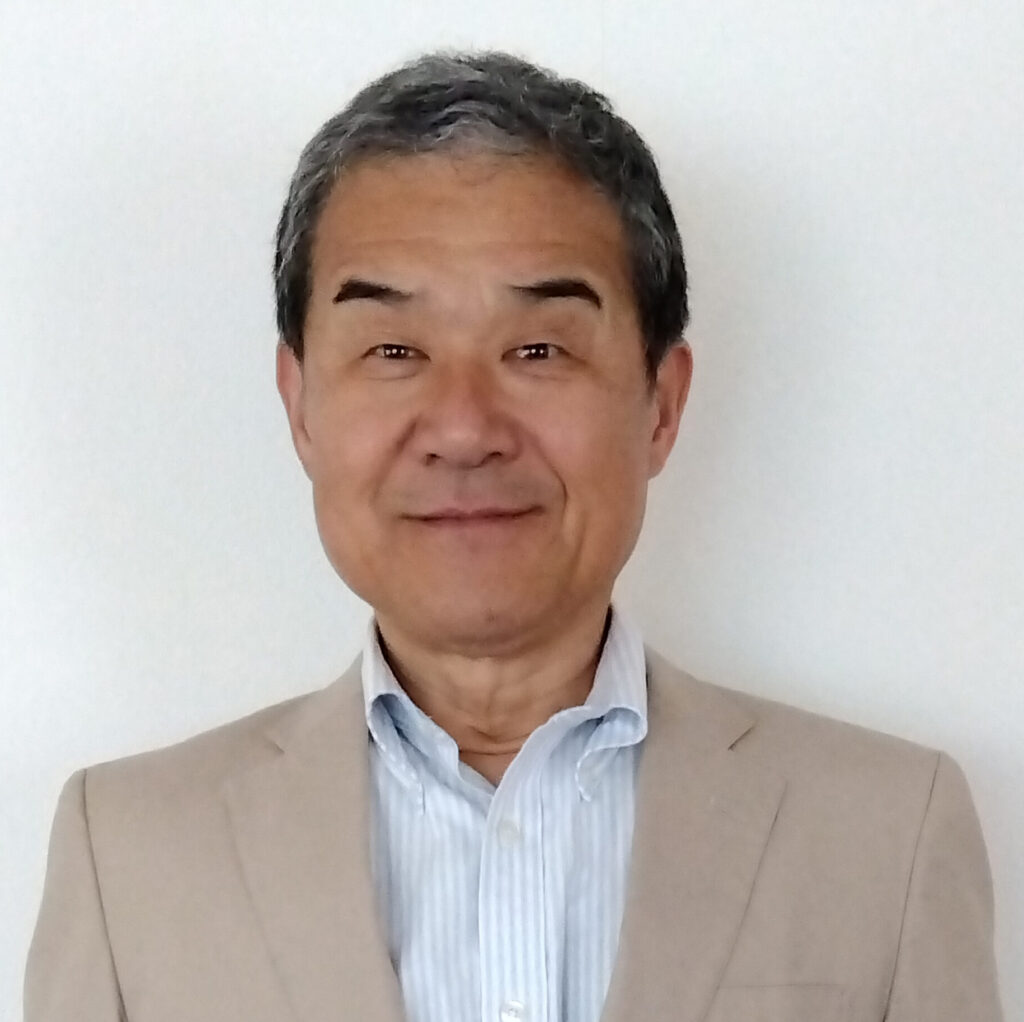
Prof. Dr. Takashi Hirano (Honorary Keynote)
(Research Faculty of Agriculture, Hokkaido University, Japan)
Tentative Title: Changes in carbon and energy balances due to disturbances
My areas of expertise are agricultural and forest meteorology, ecological environmental physics, and environmental dynamics analysis. I have conducted long-term, continuous observations of ecosystem-scale GHG and energy fluxes, primarily using the eddy covariance method, in temperate forests, boreal and tropical peatlands and agricultural ecosystems. I also have observed soil GHG fluxes using the chamber and profile methods. Through the analysis of these observational data, I quantify the GHG and energy balances of terrestrial ecosystems, providing a quantitative assessment of the impact of environmental disturbances on them.
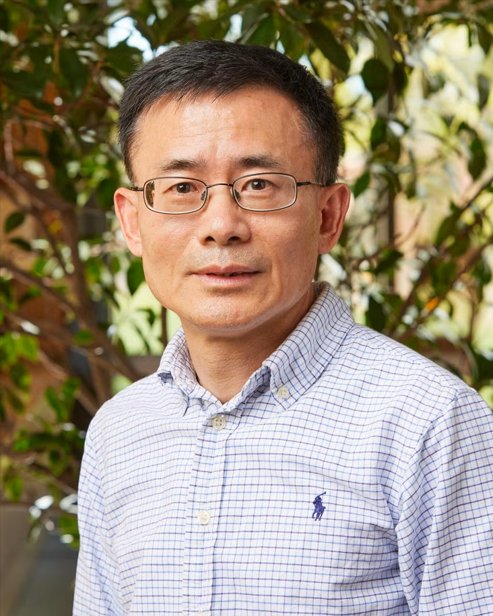
Prof. Dr. Xuhui Lee
(Sara Shallenberger Brown Professor of Climate Science at the Yale School of the Environment, USA)
His research focuses on understanding the interactions among the terrestrial biosphere, the atmosphere, and anthropogenic drivers. His combine field observations, mathematical modeling, and environmental remote sensing to investigate land–atmosphere processes and greenhouse gas dynamics. Our research methodologies include field observations (eddy covariance, IoT smart sensors, optical isotope instruments, and high-precision greenhouse gas analyzers), mathematical models (land-surface models, large-eddy simulations, mesoscale models, and Earth system models), and environmental remote sensing using drones and satellites
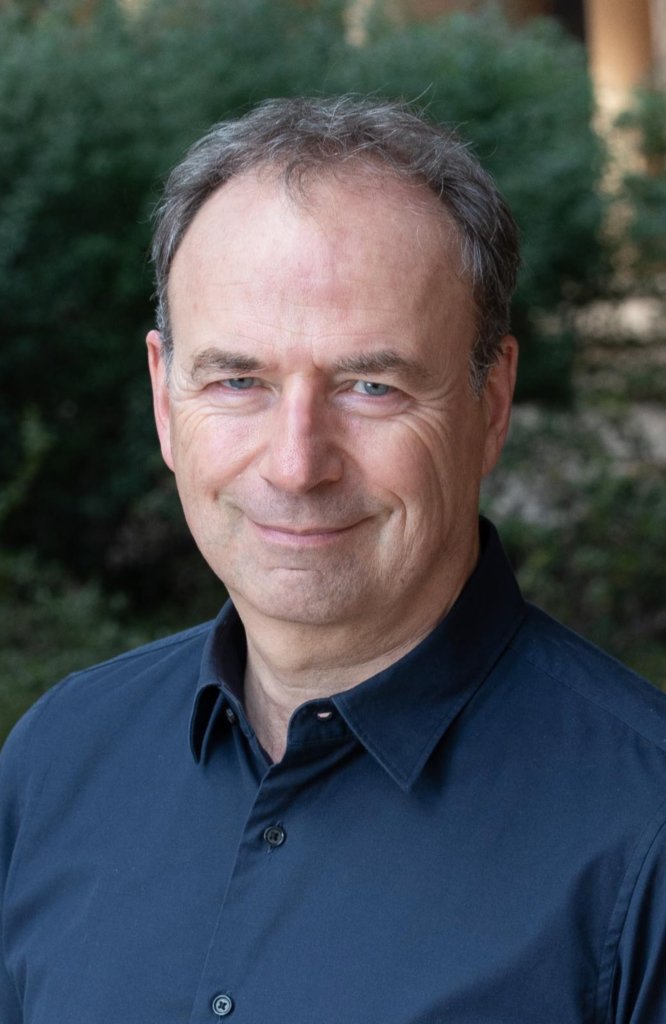
Prof. Dr. Stefan K. Arndt
(Physiological and Ecosystem Ecology at the University of Melbourne, Australia)
His research focuses on understanding plant–environment interactions and ecosystem responses to climate change. His investigate how plants and ecosystems respond to environmental stresses, including heat and drought, and how environmental conditions influence carbon balance, water cycling, and greenhouse gas exchanges. Our research methodologies include physiological and ecological measurements, long-term ecosystem observations, flux tower measurements, and ecosystem monitoring to improve our understanding of ecosystem functioning and sustainable environmental management.
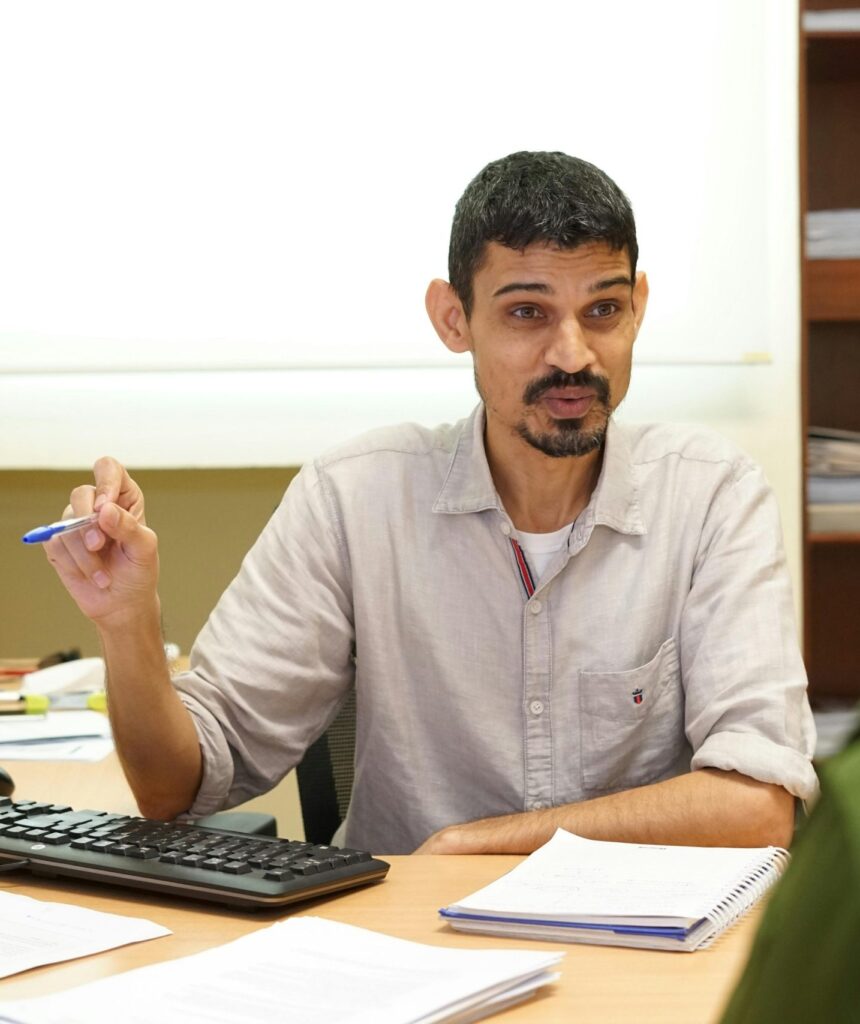
Dr. Chandra S. Deshmukh
(APRIL Peatland Science in Riau, Sumatra, Indonesia)
His research focuses on understanding greenhouse gas emissions from tropical peatlands and the impacts of land-use change, forestry practices, and water management on ecosystem carbon dynamics. His combine field observations, greenhouse gas measurements, and ecosystem assessments to investigate Carbon dioxide and nitrous oxide emissions and support sustainable peatland management. Our research methodologies include greenhouse gas flux measurements, peatland monitoring, ecosystem carbon assessments, and environmental data analysis to improve greenhouse gas estimation and develop science-based climate solutions.
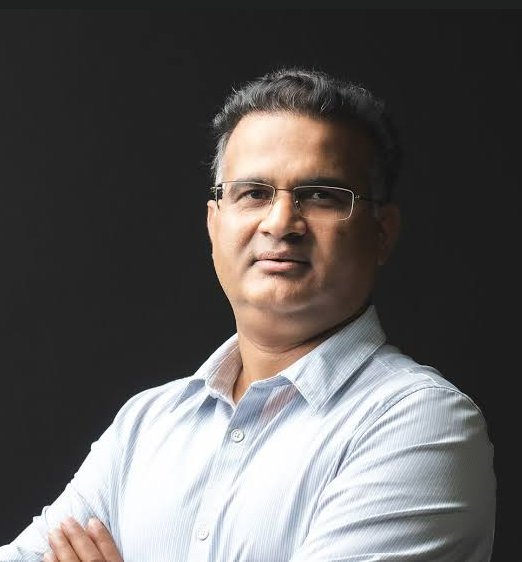
Dr. Umakant Mishra
(Sandia National Laboratories, Livermore, CA, USA)
His research focuses on terrestrial carbon cycling, soil carbon dynamics, and the effects of land-use change and environmental variability on ecosystem processes. His integrate field observations, environmental datasets, geospatial analysis, and process-based models to quantify changes in soil properties and carbon cycling across regional to global scales. Our research methodologies include field observations, geospatial analysis, spatial modeling, process-based ecosystem modeling, and Earth system modeling.

Dr. Lulie Melling
(UN SDSN Asia Malaysia)
Title: Long-Term Carbon Flux Dynamics of Tropical Peatlands in Sarawak: Insights from a Decade of Eddy Covariance Measurements
Her research focuses on tropical peatland ecosystems, greenhouse gas emissions, and sustainable peatland management. Her investigate the impacts of peatland degradation, land-use practices, and climate change on ecosystem functions to support climate change mitigation and sustainable land management. Our research methodologies include field observations, greenhouse gas measurements, peatland monitoring, soil and ecosystem assessments, and environmental data analysis.
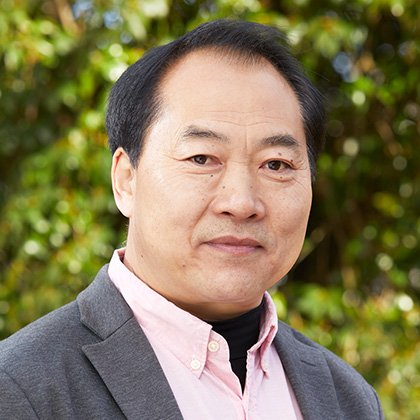
Prof. Dr. Naishen Liang
(National Institute for Environmental Studies (NIES), Tsukuba, Japan)
His research focuses on terrestrial ecosystem carbon cycling and its responses and feedbacks to climate change. His integrate continuous greenhouse gas flux measurements, field observations, and ecosystem monitoring using the Liangber multichannel automated chamber system, which has been deployed across diverse ecosystems ranging from Arctic tundra and boreal forests to tropical rainforests. Our research methodologies include automated chamber systems, continuous CO₂ and CH₄ flux measurements, ecosystem monitoring, and environmental data analysis.

Prof. Dr. Shuli Niu
(Institute of Geographic Sciences and Natural Resources Research (IGSNRR), Chinese Academy of Sciences, China)
Her research focuses on plant ecology, global climate change, and the carbon, nitrogen, and water cycling of terrestrial ecosystems, particularly grasslands and peatlands. Her combine large-scale global change experiments, field observations, and data synthesis to investigate how climate warming and human disturbances influence biodiversity, ecosystem functioning, and carbon sequestration. Our research methodologies include manipulative field experiments, ecosystem monitoring, biodiversity assessments, data synthesis, and ecosystem carbon cycle analysis.
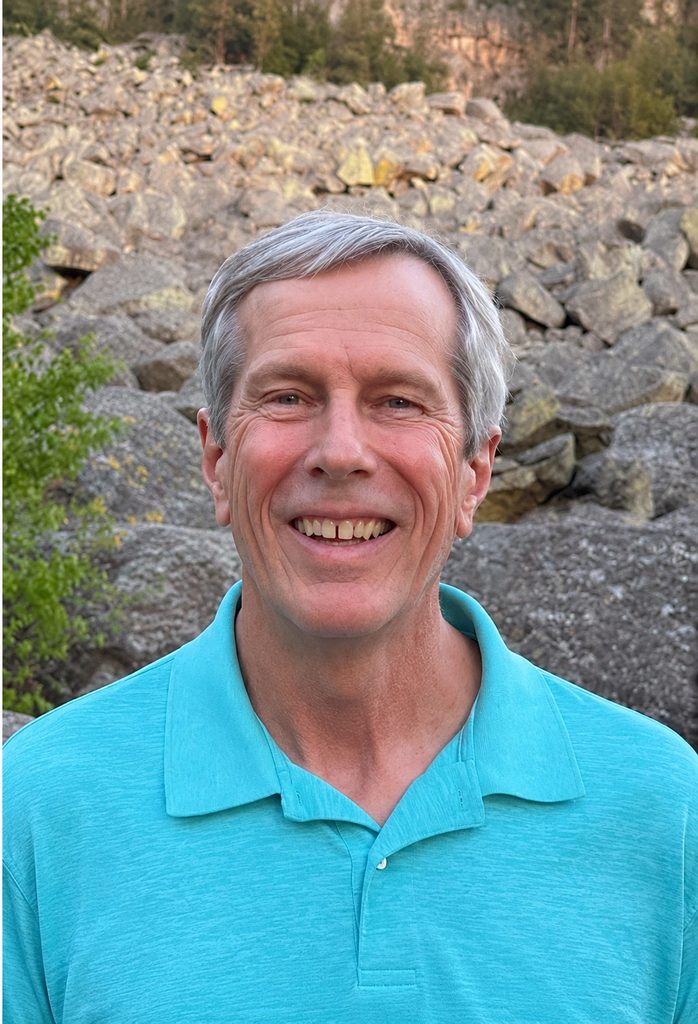
Prof. Dr. Peter Blanken
(University of Colorado Boulder, USA)
His research focuses on understanding how surface water and carbon cycles respond to environmental changes. He combines field measurements, eddy-covariance monitoring, and satellite remote sensing to investigate land–atmosphere interactions, microclimates, water balances, and turbulent fluxes. His research methodologies include field measurements and eddy-covariance monitoring, as well as satellite remote sensing using MODIS and MERRA reanalysis datasets to estimate spatial-temporal variations in net radiation and land surface temperatures over vast aquatic ecosystems such as the Great Lakes. His ecohydrological research also extends to tropical Southeast Asia, particularly Thailand, where he studies land–atmosphere interactions, microclimates, and water balances. His long-term observational studies further focus on Great Lakes evaporation, reservoir water loss, and carbon-sink dynamics in high-altitude ecosystems, including subalpine forests and alpine tundra.
Local Keynote Speakers
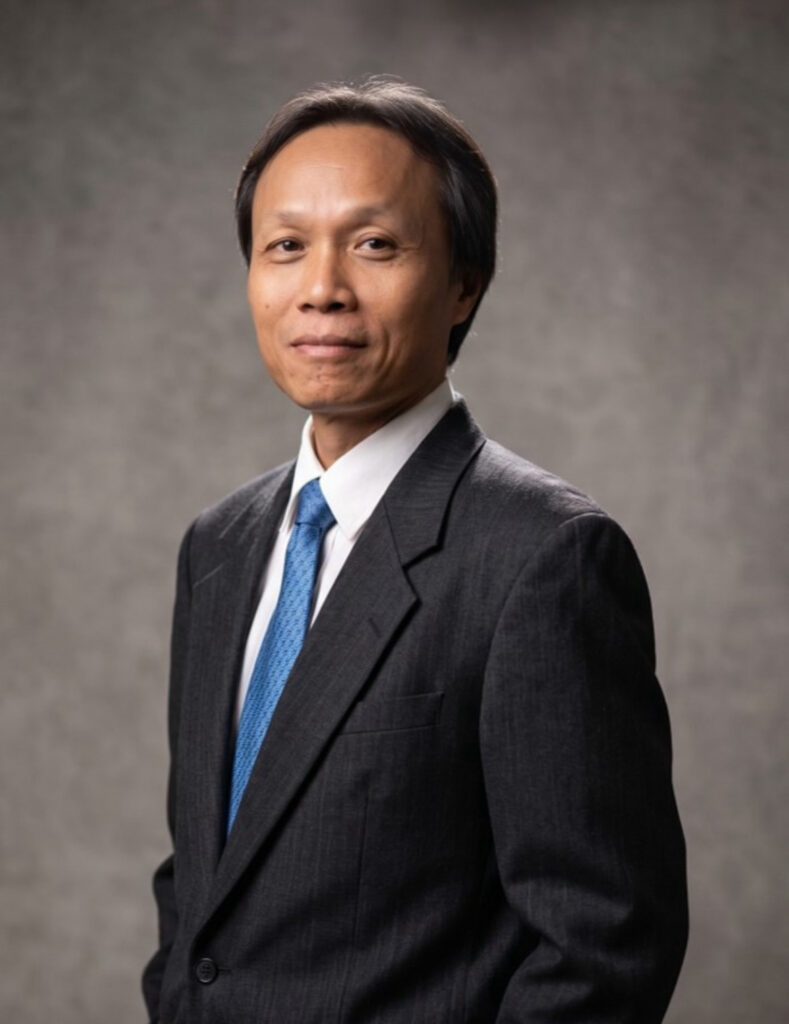
Assoc. Prof. Dr. Amnat Chidthaisong
(The Joint Graduate School of Energy and Environment (JGSEE), Thailand)
His has led a research team in Thailand exploring how dry dipterocarp forests—a globally significant yet understudied tropical forest type providing critical carbon storage, biodiversity, and livelihood value—respond to climate extremes and change. His research focuses on soil respiration dynamics, phenological shifts, and carbon flux patterns, investigating how rising temperatures, shifting rainfall, and increasing drought stress alter belowground carbon release, canopy leafing and phenological cycles, and net ecosystem carbon exchange, addressing a pressing need for long-term data in this vulnerable ecosystem.
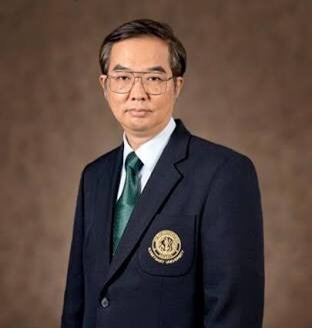
Prof. Dr. Poonpipope Kasemsap
(Horticulture department, Faculty of Agriculture, Kasetsart University, Thailand)
His has led research and international collaboration in Thailand examining how horticultural crops and plantation systems respond to environmental change. His work focuses on crop eco-physiology and plant production, investigating how rising temperatures, seasonal water stress, air pollution, and shifting atmospheric conditions influence photosynthesis, stomatal regulation, carbon and water exchange, growth, yield, and product quality. Through his leadership at Kasetsart University, the Horticulture Innovation Lab Regional Center, his research has helped strengthen the scientific basis for climate-smart agriculture, resilient food systems, and sustainable ecosystem management.
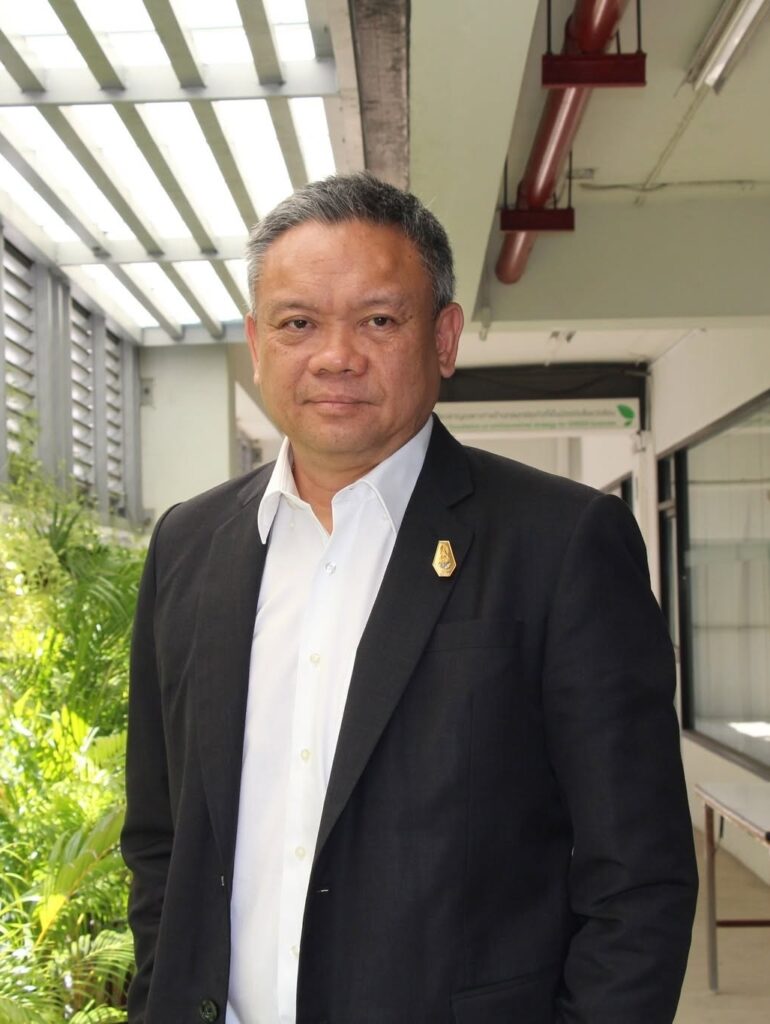
Assoc. Prof. Dr. Surat Bualert
(Faculty of Environment, Kasetsart University, Thailand)
His has led research in Thailand focusing on air pollution, urban meteorology, and surface–atmosphere interactions. His work examines how atmospheric pollutants, meteorological conditions, and urban development influence PM2.5, aerosols, air quality, urban heat, and local climate. His research also covers surface energy balance, carbon sequestration, and greenhouse-gas exchange, including CO₂ and methane dynamics across urban areas, green spaces, and mangrove ecosystems. By integrating atmospheric measurements, micrometeorological approaches, environmental monitoring, and modelling, his work improves understanding of the interactions between cities, ecosystems, and the atmosphere. His research contributes to the scientific basis for air pollution management, urban climate adaptation, climate-resilient planning, and sustainable environmental management, with particular relevance to rapidly urbanizing tropical environments in Thailand and Southeast Asia.